

For years, the word “organic” stood as the absolute gold standard for conscious dining. Seeing it on a menu signaled a baseline of care, offering reassurance that your food was grown without synthetic pesticides or chemical fertilizers. But as the commercial food industry adapted, the organic label was industrialized. Large-scale monoculture operations figured out how to check the organic boxes while still depleting the earth, leaving discerning hosts and culinary visionaries asking a critical question: What comes next?

The answer is regenerative agriculture, and it is quietly redefining the framework of premium hospitality. Where standard organic practices focus on doing less harm by omitting chemicals, regenerative farming aims to actively heal the ecosystem. It is a holistic approach to land stewardship that restores soil biodiversity, captures carbon, and revitalizes local watersheds. For a luxury catering event in the North Bay, choosing a menu rooted in regenerative practices is no longer just an eco-conscious alternative. It is the ultimate expression of modern culinary sophistication.
The magic of this agricultural shift begins exactly where flavor does: deep in the dirt. Healthy, living soil is teeming with a complex network of microbes, fungi, and minerals. When livestock are rotated dynamically, and fields are never left bare, this underground ecosystem thrives, allowing plants to draw in a significantly higher concentration of nutrients. This is where science meets the palate. A tomato or a sprig of wild rosemary grown in living, regeneratively managed soil possesses a structural complexity and a vibrant depth of flavor that a standard industrial organic equivalent simply cannot match. The food tastes distinctly of the place it was grown, offering guests an unparalleled sensory experience
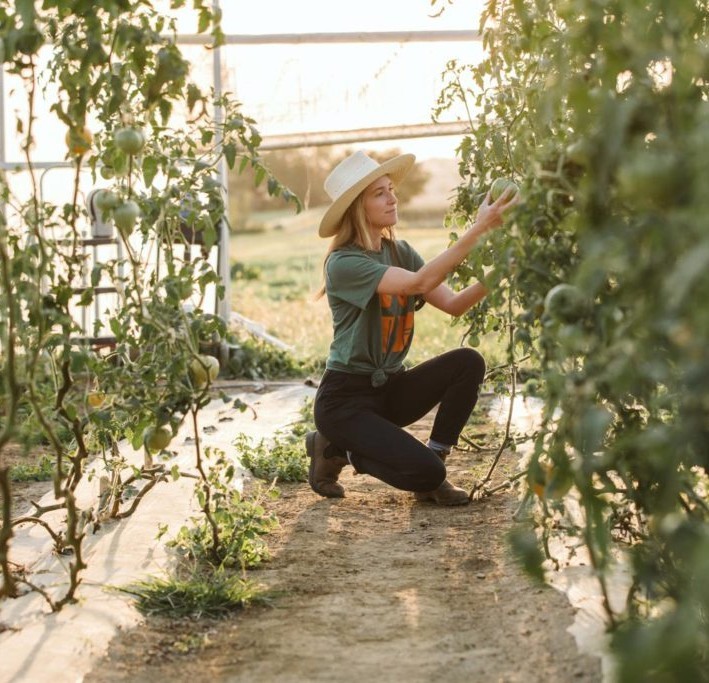
In regions like Marin and Sonoma counties, this philosophy is being brought to life by a dedicated network of local ranchers and farmers who refuse to take shortcuts. True culinary prestige relies on cultivating direct, transparent partnerships with these pioneers. By bypassing major commercial distribution channels and sourcing directly from specific, local acreage, a chef can curate a menu that changes in lockstep with the micro-seasons of the North Bay. Serving a grass-fed ribeye from a ranch that uses rotational grazing to restore California’s native perennial grasses does more than just anchor a stunning main course. It invites your guests into a larger story of ecological restoration.

For forward-thinking corporate partners looking to elevate their brand alignment and private hosts aiming to deliver a flawless evening, the culinary narrative has shifted. True luxury is no longer about flying in exotic ingredients from across the globe; it is about celebrating the exquisite, fleeting abundance of our
own backyard. By building a menu around the principles of regenerative agriculture, an event transforms from a simple gathering into a powerful act of land stewardship, proving that the most memorable culinary experiences are those that leave the earth better than we found it.
When your guests sit down to a meal in which every ingredient actively contributes to healing California’s soils and ecosystems, the dining experience transcends traditional hospitality. It becomes an unforgettable statement of taste, ethics, and unparalleled quality, showing that the future of fine food isn’t just grown; it is beautifully restored.