
The Sonoma
Harvest Table
Curating autumn menus around late-season produce
Late October in Northern California brings a quiet change to the kitchen. The long heat of summer lets go, and in its place come damp morning fog, cooler coastal air, and a different set of ingredients from the region’s farms. For hosts and kitchen teams across Marin and Sonoma, this turning point is one of the best times of the year to build a menu around place and season.
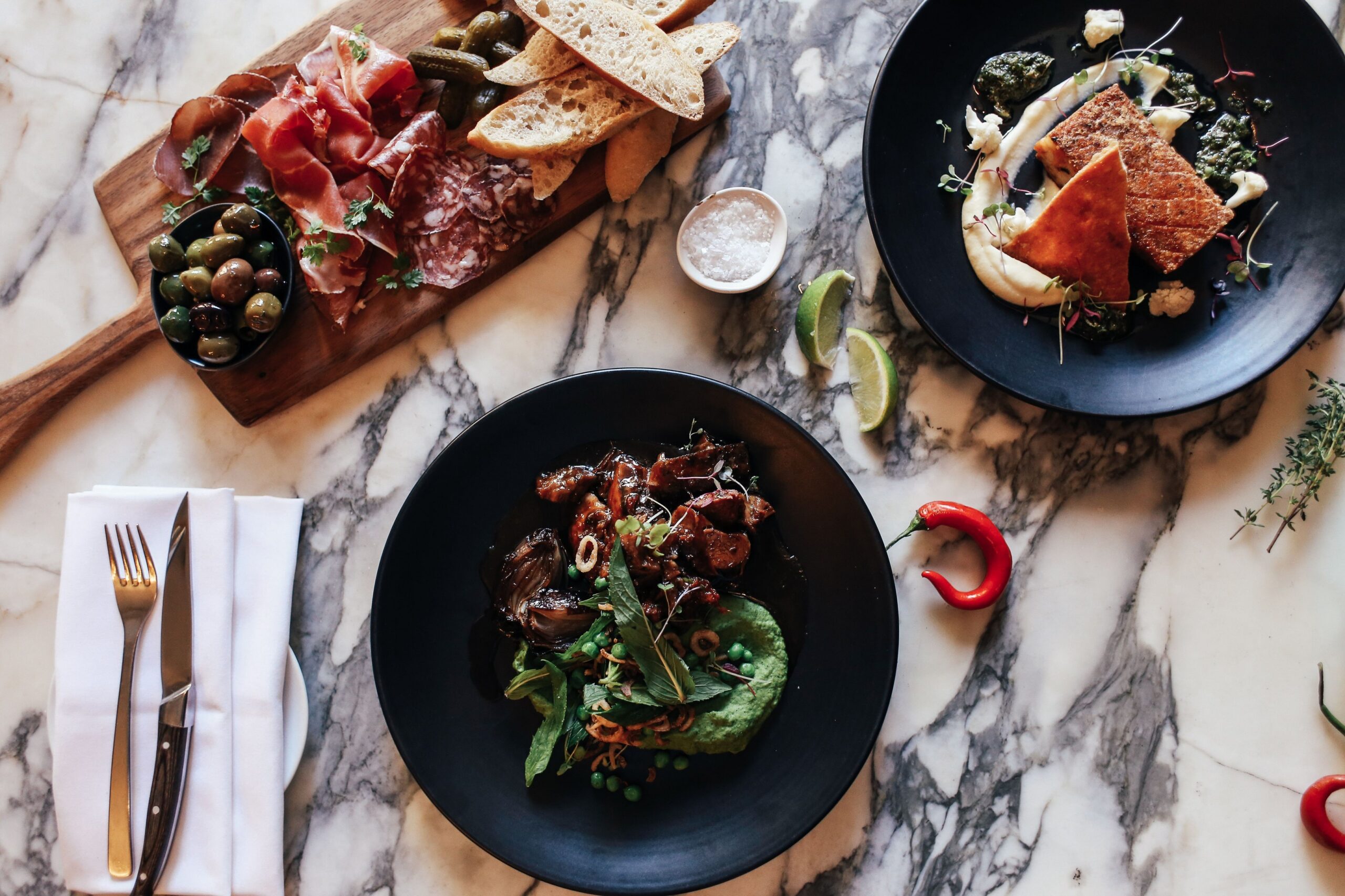
An autumn menu in the Bay Area is less about heavy comfort food and more about balance. The late harvest overlaps in an unusual way. Pomegranates and the last of the figs still carry summer’s warmth, while winter squash and wild mushrooms bring the first real depth of the cold months. A good menu keeps both in the same meal, and that takes careful choices about sourcing, texture, and how each dish is seasoned.
Earth and Depth
Late autumn menus settle naturally around ingredients with deep, warm flavor. Chanterelles and porcini appear after the first autumn rains, coming up in the shaded woodland along the coastal ridges, and they bring a woodsy quality that nothing else on the table can match. Handled simply, sautéed with thyme, shallots, and a splash of local dry white wine, they sit well beside slow-roasted pork or lamb, or at the center of a hand-rolled pasta course.
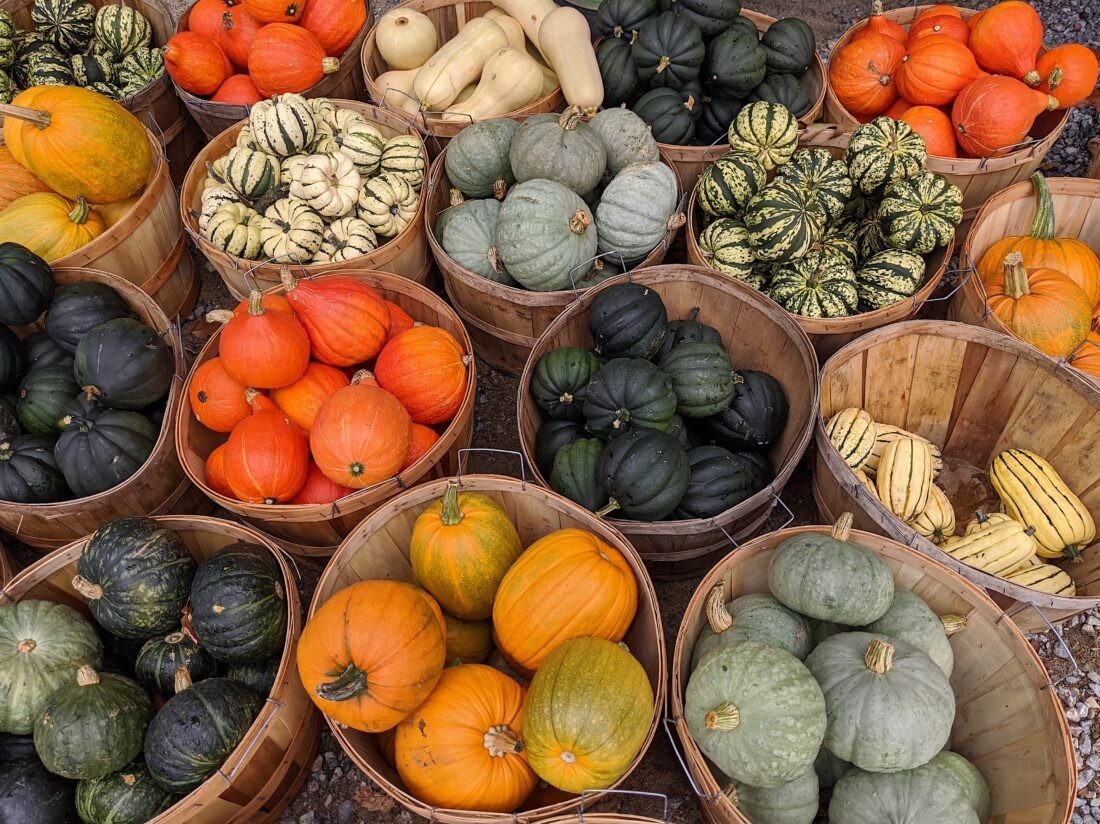
Heirloom winter squash does similar work. Delicata, Black Kabocha, and Red Kuri are all at their best now, and the current California approach is to leave their natural nuttiness alone rather than sweeten it. Kabocha wedges roasted with olive oil and cracked sea salt, then finished with a little fried sage, make a side dish that feels substantial without being heavy. The flavor comes from the squash itself, which says as much about the grower as it does about the cook
Brightness and Acidity
Autumn menus most often go wrong by leaning too far into rich, dense dishes without enough contrast. The late orchard harvest is the natural fix. Fuyu persimmons, the firm variety that can be eaten crisp, add a mild sweetness and a deep orange color to autumn salads. Shaved thin and served with peppery arugula, toasted hazelnuts, and a sharp local goat cheese, they make an opening course that feels fresh and clear. Pomegranates do a different job. Their tart seeds cut through roasted duck, seared pork tenderloin, or braised root vegetables, and they keep the palate awake from the first course to the last. A dinner with these bright notes in it stays light on the table even when the main dishes are rich.
Sourcing as the Story
| A harvest table depends on the quality of what goes into it. The North Bay has some of the most dedicated organic growers in the country, from small family farms in the Russian River Valley to creameries along the West Marin coast, and a menu built around them draws on a food culture that took decades to develop.
. |
 |
For guests, the origin of a dish adds something quiet to the meal. New-season olive oil pressed in the region, or apples picked from an orchard that same week, ties the plate to the landscape outside the tent or dining room. It turns catering from simple food service into a direct expression of local agriculture, and guests tend to remember it long after the details of the menu fade.
Bringing It to the Table
Presentation should match the understated character of the ingredients. Generous family-style platters work well in autumn, layered with deep greens, burnt orange, and ruby red, and they give a gathering a warm, unhurried feel.
When a menu is built around local produce, balances rich autumn flavors against crisp seasonal fruit, and credits the growers who made it possible, a Sonoma harvest dinner becomes more than a meal. It is a quiet celebration of Northern California at the height of its season.